Introduction
Religious leaders are still considered the trusted moral authorities in many African countries, meaning that their endorsement of CSE and related concepts carries much weight within communities. YPAR findings also indicate that socio-cultural and religious influences continue to shape both policy debates and classroom delivery of sexuality education. Therefore, once equipped with the correct information and resources, religious leaders are perfectly situated to engage with various stakeholders to champion and amplify CSE messaging.
Religious leaders further play a vital role within many of the barriers identified by youth respondents to meaningful and effective CSE access within the YPAR. These include socio-cultural norms, stigma, taboos and beliefs which were all found to be major barriers for young people. In addition, nearly 64% of young participants interviewed within the YPAR research identified religion as a whole as a barrier to accessing CSE, supporting the claim that moral and religious frameworks often position CSE as a threat to social values. Therefore, the below resources are a vital first step to engaging with religious leaders to effect long term change in how CSE is perceived and implemented in countries such as Uganda, Malawi and Ethiopia.
Importantly, culture and religion are often intertwined so religious and community leaders may find benefit from engaging with resources across both stakeholder guides.
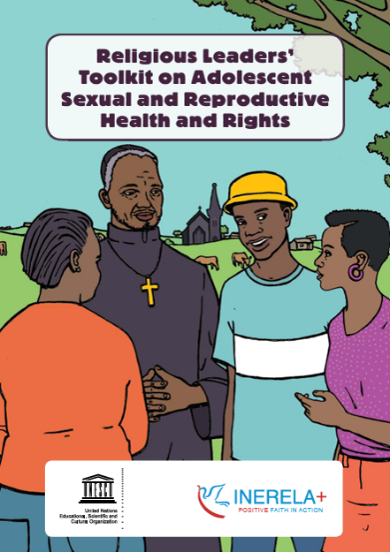
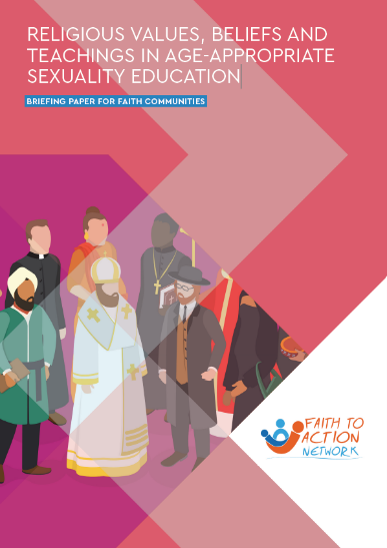
The below standalone resources have been adapted from existing faith-framed resources on CSE. These include: